
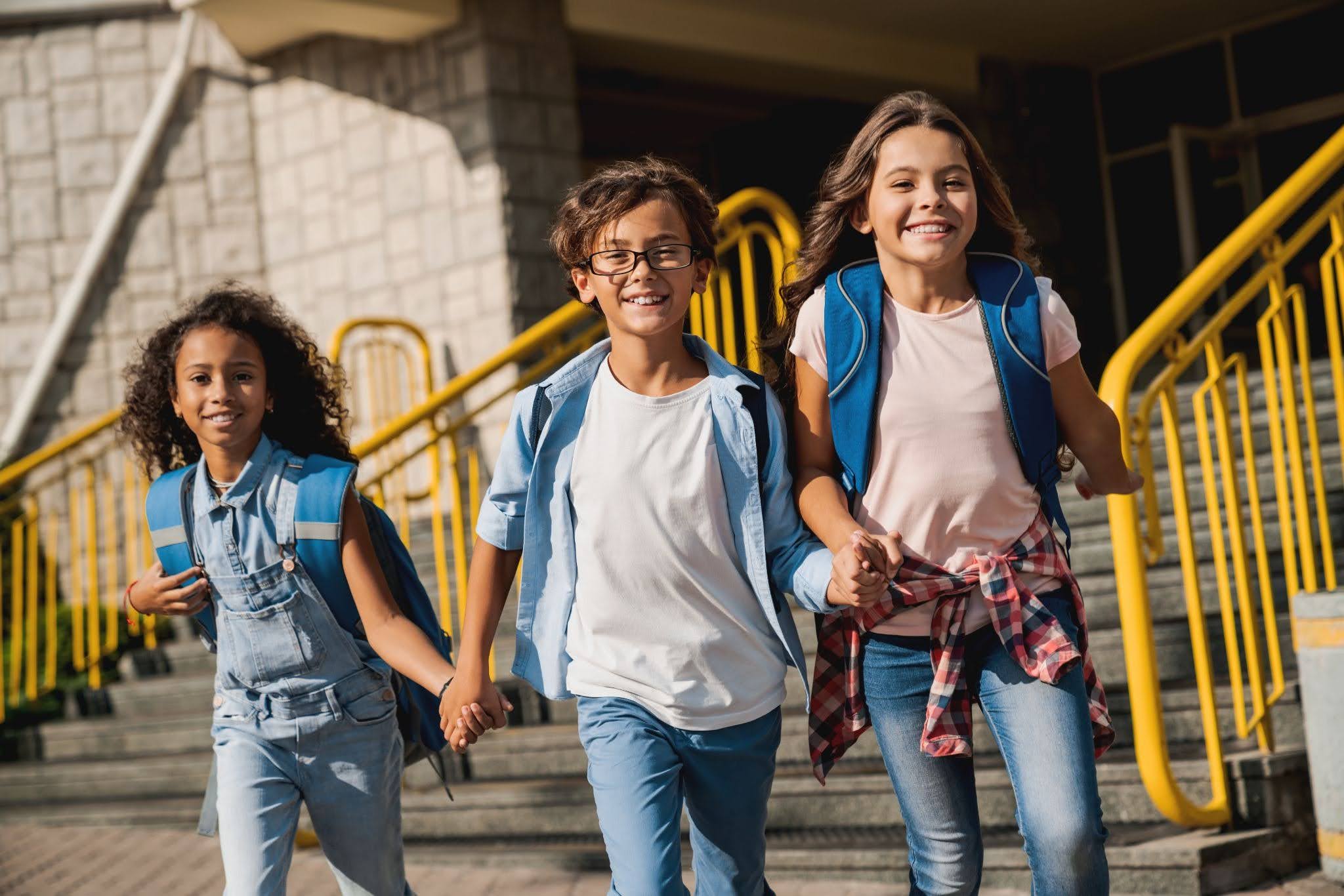
New teachers, new classmates, new routines—and plenty of new germs. 😅
When children return to classrooms, they spend more time sharing spaces, supplies, playground equipment, and close contact with other students. That means colds, sore throats, coughs, and other illnesses may start making the rounds soon after school begins.
While it is impossible to avoid every germ, a few healthy habits can help reduce the spread of illness and support your child’s well-being.
Why Do Kids Get Sick When School Starts?
Classrooms bring many children together in close quarters. Germs can spread through coughs, sneezes, shared objects, and hands that have not been washed.
Children may also be adjusting to earlier mornings, busier schedules, and less sleep after summer break. When routines change, healthy habits such as drinking enough water, eating balanced meals, and getting adequate rest may become easier to overlook.
Simple Ways to Help Prevent Illness 🧼
Wash Hands Often
Encourage children to wash their hands with soap and water:
- Before eating
- After using the restroom
- After coughing, sneezing, or blowing their nose
- After recess or outdoor play
- When they arrive home from school
Teach children to scrub for about 20 seconds and dry their hands well. If soap and water are unavailable, hand sanitizer may be helpful when used appropriately.
Prioritize Sleep 😴
Sleep supports healthy growth, learning, and immune function. A consistent bedtime routine can help children get the rest they need during the busy school year.
Keep Water Within Reach 💧
Send a refillable water bottle to school and encourage regular hydration throughout the day. Staying hydrated may help children feel more comfortable and energized.
Cover Coughs and Sneezes 🤧
Teach children to cough or sneeze into a tissue or the inside of their elbow—not their hands. Used tissues should be thrown away, followed by handwashing.
When Should a Child Stay Home?
A child may need to stay home when they have symptoms that make it difficult to participate in school or may increase the risk of spreading illness.
Depending on school policies and the child’s symptoms, staying home may be appropriate for:
- Fever
- Repeated vomiting
- Frequent diarrhea
- Significant fatigue or weakness
- Symptoms that prevent the child from comfortably participating in class
School and childcare policies may differ, so check your child’s school guidelines. When in doubt, contact your pediatrician for guidance.
When Should You Call a Pediatrician? 🐝
Many mild colds improve with rest, fluids, and supportive care. However, a pediatric evaluation may be helpful if symptoms are severe, worsening, unusually persistent, or causing concern.
Contact a pediatrician if your child has:
- Trouble breathing or rapid breathing
- Signs of dehydration, such as very little urination or unusual sleepiness
- A fever that is persistent or concerning for their age
- Severe ear pain, sore throat, or headache
- Symptoms that worsen after initially improving
- Ongoing symptoms that are not getting better
Parents know their children best. If something feels unusual or concerning, it is appropriate to ask for medical guidance.
Bee Prepared for Back-to-School Germs! 🐝🎒
The first week of school may bring home new stories, new friendships—and sometimes a few unwanted germs. Good handwashing, healthy sleep, hydration, and early attention to concerning symptoms can help families navigate the school year with greater confidence.
If your child is feeling unwell or you are looking for pediatric sick visits in Salt Lake City, Bee Home Pediatrics is here to help. Dr. Margie Diaz-Ochu provides personalized, compassionate care for children and support for the families who love them. Call 435-513-PEDS or visit Bee Home Pediatrics at 3538 S Highland Drive, Millcreek, UT 84106 to schedule a consultation or learn more about pediatric care. 🐝💛