
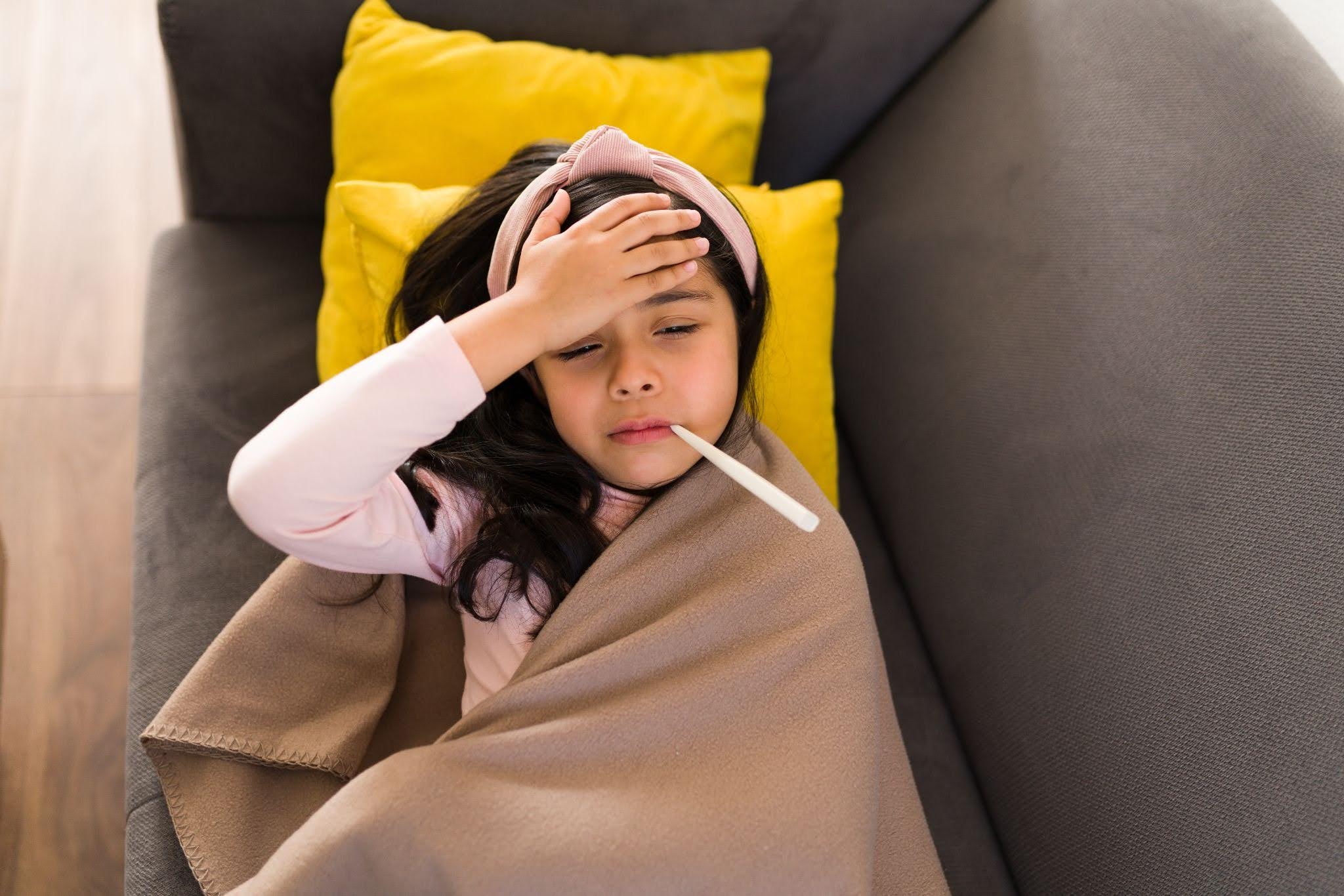
School is back in session, and suddenly it seems like your child is bringing home a new cough, runny nose, or stomach bug every other week.
If this sounds familiar, you’re not alone. Children are exposed to many new germs when they return to school or daycare, and their developing immune systems are constantly learning how to respond to them. While frequent minor illnesses can be frustrating, they are often a normal part of childhood.
Still, there are times when frequent sickness deserves a closer look.
Why Do Kids Get Sick So Often at School?
Schools and childcare settings bring children into close contact with one another. They share classrooms, toys, playground equipment, supplies, and sometimes snacks. Coughs and sneezes can also spread respiratory viruses quickly.
Children are still developing many of the habits that help limit the spread of germs, too. They may forget to wash their hands, touch their faces frequently, or cough without covering their mouths.
Once the school year begins, it’s common for children to experience several minor illnesses, particularly respiratory infections.
What Is Considered Normal?
Many childhood illnesses are caused by viruses and improve with time, rest, fluids, and supportive care.
A child may experience symptoms such as:
- Runny or stuffy nose
- Cough
- Sore throat
- Mild fever
- Fatigue
- Occasional vomiting or diarrhea
- Decreased appetite for a short period
It can feel like one illness ends just as another begins, especially during the first part of the school year. Sometimes children are exposed to a new virus before they have fully recovered from the previous one.
The important thing is to look at your child’s overall health, not simply how many times they’ve been sick.
When Should Parents Be Concerned?
Frequent minor illnesses aren’t necessarily a sign that something is wrong. However, parents should talk with their child’s pediatrician if illnesses seem unusually severe, persistent, or are interfering significantly with daily life.
It’s worth discussing concerns if your child:
- Is frequently missing school because of illness
- Has infections that are unusually severe or difficult to treat
- Has symptoms that don’t seem to improve as expected
- Is having ongoing difficulty gaining weight or growing
- Has persistent fatigue or low energy between illnesses
- Develops breathing difficulties or other concerning symptoms
- Seems to be sick far more often than expected for their age
A pediatrician can consider your child’s overall health, medical history, growth, development, and symptoms to determine whether additional evaluation is appropriate.
How Can Parents Help Keep Kids Healthier?
You can’t keep your child away from every germ—and you don’t need to. Instead, focus on healthy habits that support your child’s overall well-being.
Encourage children to:
Wash their hands regularly. Especially before eating and after using the bathroom, coughing, sneezing, or playing outside.
Get enough sleep. Consistent, age-appropriate sleep supports healthy development and overall wellness.
Eat nutritious foods. Offer a variety of fruits, vegetables, whole grains, proteins, and other nutrient-rich foods.
Drink plenty of water. Good hydration is important throughout the school day, particularly for active children.
Stay active. Regular physical activity supports physical and emotional health.
Stay home when they’re sick. Giving your child time to recover can help them feel better and reduce the chance of spreading illness to classmates.
Don’t Forget About Your Child’s Overall Health
A child who catches several colds during the school year isn’t necessarily unhealthy. In many cases, it’s simply part of growing up and being around other children.
However, parents know their children best. If something seems different from your child’s usual pattern of illness—or you’re simply worried—it’s worth having a conversation with a pediatrician.
At Bee Home Pediatrics, Dr. Margie Diaz-Ochu provides personalized care for children from infancy through the teen years. As a membership-based, direct-pay pediatric practice, Bee Home Pediatrics gives families longer visits and direct access to Dr. Diaz-Ochu by phone, text, or email.
Need a Pediatrician Who Knows Your Child?
If your child seems to be sick constantly—or you simply want a pediatrician who takes the time to understand your family’s concerns—Dr. Margie Diaz-Ochu is here to help. Bee Home Pediatrics offers personalized pediatric care, same-day sick visits, wellness care, and direct communication with Dr. Diaz-Ochu. To learn more or schedule a free consultation, call 435-513-PEDS (435-513-7337) or visit Bee Home Pediatrics at 3538 S Highland Drive, Millcreek, Utah 84106.