
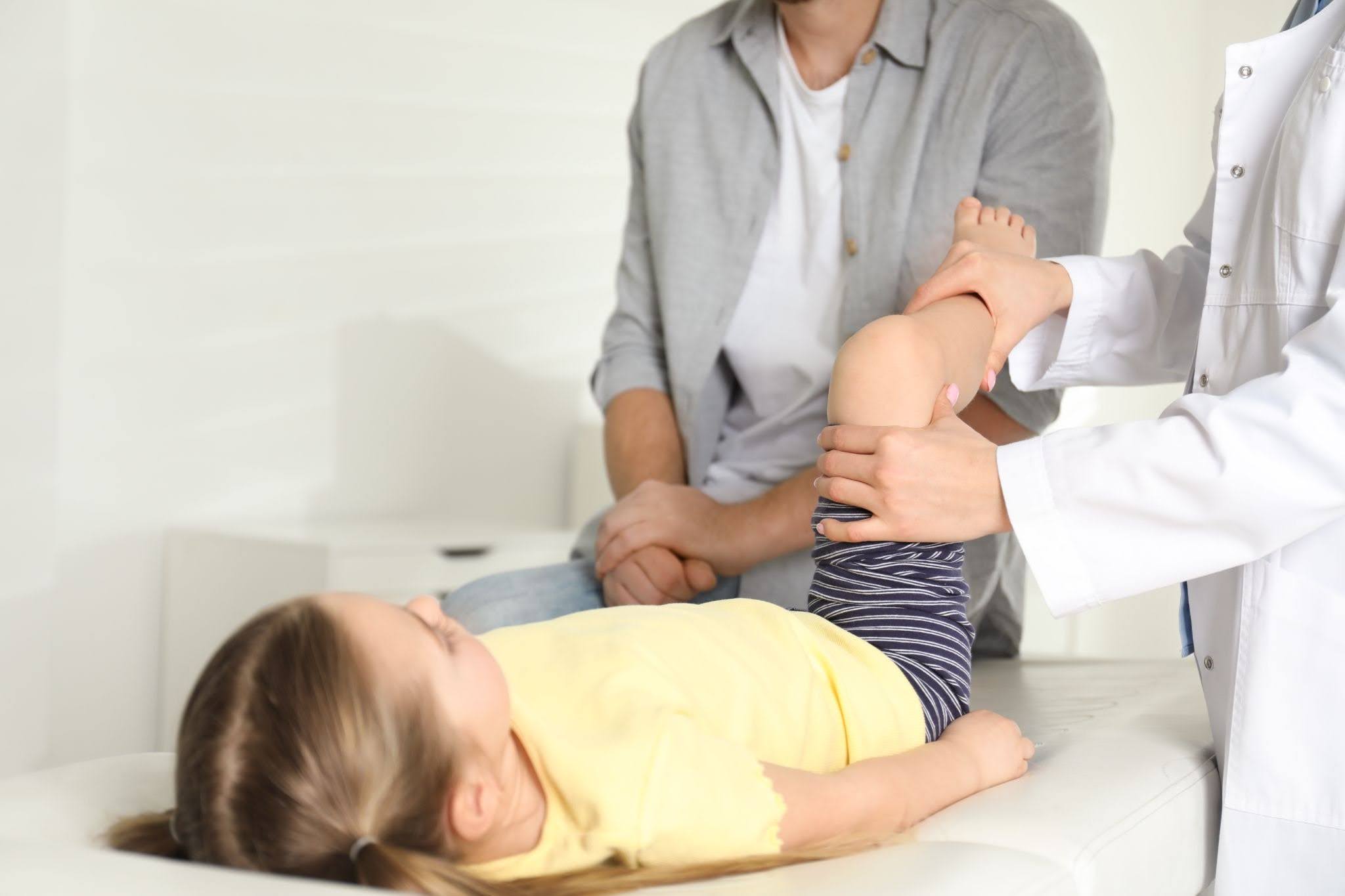
Your child comes home from school, soccer practice, or a long day at the playground and suddenly complains that their legs hurt.
For many parents, the first thought is: “Growing pains?”
Growing pains are common in childhood, particularly during the preschool and elementary school years. But not every ache or pain should automatically be blamed on growth. Knowing the difference can help parents decide when to monitor symptoms at home and when it’s time to talk with a pediatrician.
What Are Growing Pains?
Despite the name, growing pains aren’t necessarily caused directly by bones growing. They are generally described as intermittent aches or throbbing pains, most often affecting both legs.
Children may complain about discomfort in areas such as:
- The thighs
- Calves
- Shins
- Behind the knees
Growing pains often occur later in the day or at night and may occasionally wake a child from sleep. Importantly, children typically feel well between episodes and continue their normal activities during the day.
What About Aches After an Active Day?
Kids are busy. Running, jumping, climbing, playing sports, and simply being active can leave muscles feeling tired or sore.
Occasional mild muscle soreness after an especially active day isn’t necessarily cause for concern. Rest, hydration, and a good night’s sleep may help.
However, persistent or recurring pain deserves more attention—especially if it begins interfering with your child’s normal activities.
When Should Parents Call the Pediatrician?
Not every leg or muscle pain is a typical growing pain. Parents should talk with their child’s pediatrician if pain:
- Occurs consistently in only one leg
- Is present during the day or with activity
- Causes your child to limp or avoid normal activities
- Is becoming more frequent or severe
- Is accompanied by swelling, redness, or warmth
- Follows an injury that may require evaluation
- Is associated with fever
- Occurs along with unusual fatigue, weakness, or changes in your child’s overall health
Other symptoms, such as unexplained weight loss, persistent loss of appetite, or significant changes in behavior or energy, should also be discussed with a pediatrician.
These symptoms don’t necessarily mean something serious is happening, but they are reasons not to simply assume the pain is from growing.
Pay Attention to the Pattern
One of the most useful things parents can do is pay attention to when, where, and how often the pain occurs.
Ask your child:
- Where does it hurt?
- Does it happen during the day or at night?
- Does one leg hurt or both?
- Does anything make it better or worse?
- Can they walk, run, and play normally?
- Did they recently start a new sport or activity?
Keeping track of these details can give your pediatrician valuable information if an evaluation becomes necessary.
Don’t Let the Name Fool You
“Growing pains” is a familiar phrase, but it shouldn’t become a catch-all explanation for every childhood ache.
Most occasional aches are nothing to worry about, particularly when a child feels well, remains active, and has no other concerning symptoms. But persistent, one-sided, activity-related, or progressively worsening pain deserves a closer look.
When in doubt, it’s always reasonable to ask your child’s pediatrician. A conversation can provide reassurance—or help identify when further evaluation is appropriate.
At Bee Home Pediatrics, Dr. Margie Diaz-Ochu takes the time to listen carefully to parents and children. Her membership-based, direct-pay pediatric practice provides longer visits and direct access by phone, text, or email, allowing families to discuss concerns without feeling rushed.
Have Questions About Your Child’s Health?
Whether your child has recurring aches, an unexplained symptom, or you simply aren’t sure what’s normal, Dr. Margie Diaz-Ochu and Bee Home Pediatrics are here to help. The practice provides personalized pediatric care for children from infancy through the teen years, including wellness visits, same-day sick visits, nutrition guidance, and ongoing support. To learn more or schedule a free consultation, call 435-513-PEDS (435-513-7337) or visit Bee Home Pediatrics at 3538 S Highland Drive, Millcreek, Utah 84106.